
 By
By 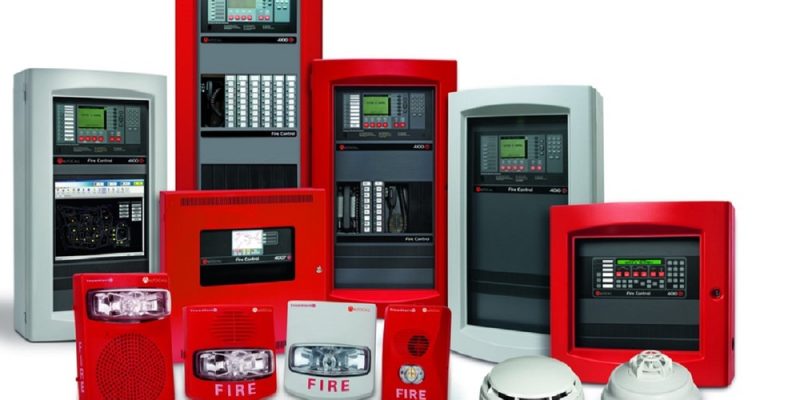
Buildings usually run the same way every day without anyone thinking much about emergency equipment overhead.After a while, alarms and safety systems just blend into the surroundings because people accept everything will work correctly if something ever goes wrong. Following stories involving smoke problems or electrical failures, many property owners finally begin checking pace protections fire alarm systems because emergency preparation suddenly feels much more serious once normal routines get interrupted unexpectedly.
Everyday Routines Sometimes Hide Safety Concerns
Busy environments make smaller warning signs easier to ignore. Flickering emergency lights, weak alarm testing, or unusual electrical smells may seem unimportant while schedules already feel packed with other responsibilities.
That confidence usually continues until something suddenly stops working the way people expected. Delayed alarms or communication problems create confusion quickly once crowded buildings begin reacting to emergencies at the same time.
Older Buildings Often Need Updated Equipment
Properties change over time even when people barely notice it happening. Offices expandelectrical demand increases and hallways become busier than they were years earlier.
Older emergency systems sometimes struggle keeping up with those changes. Alarm coverage may weaken across larger areaswhile outdated components quietly lose reliability after years of daily use.
|
Equipment Area |
Reason It Matters |
|---|---|
|
Alarm response speed |
Helps reduce delays during emergencies |
|
Backup battery systems |
Supports alarms during outages |
|
Emergency lighting |
Improves visibility while evacuating |
|
Smoke detection coverage |
Identifies problems earlier |
|
Exit route access |
Helps prevent hallway congestion |
|
Electrical panel condition |
Reduces hidden safety risks |
Delayed Inspections Create More Problems Later
Building owners already balancing expenses, staffing, and daily operations sometimes postpone inspections longer than intended because pace protections fire alarm systems and other safety equipment continue sitting quietly overhead, making everything appear dependable enough for a few more months.
That decision occasionally changes after equipment fails during testing or smaller electrical problems begin affecting parts of the property unexpectedly.
Crowded Buildings Need Clear Communication
People react differently during stressful situations. Some employees move immediately once alarms begin sounding while others pause completely trying to understand whether the situation feels dangerous or temporary.
Visitors unfamiliar with exits usually create additional challenges because they depend heavily on clear instructions during evacuations. Large buildings especially require strong communication systems capable of reaching different sections quickly.
Safety Equipment Rarely Gets Daily Attention
Employees walk underneath alarms and emergency lights constantly without noticing whether those systems remain dependable. Over time, emergency equipment simply blends into the background during ordinary routines.
That usually changes very quickly once an unexpected emergency interrupts the building and everybody suddenly depends on those systems working properly without hesitation.













Comments