
 By
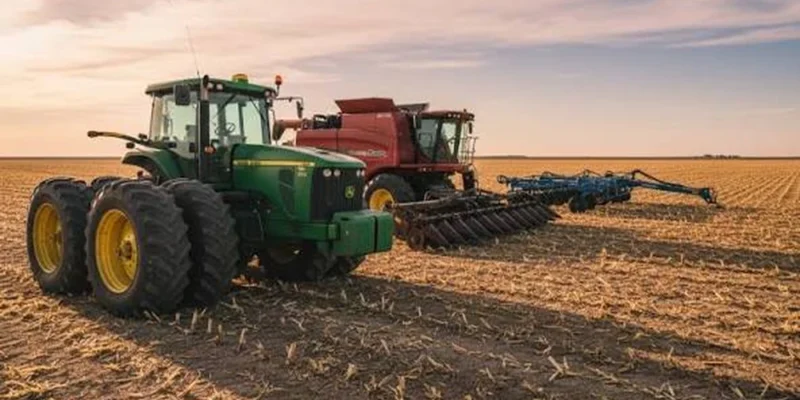
Agricultural operations depend heavily on seasonal planning, especially when machinery must perform different tasks throughout the year. Planting, harvesting, and livestock management each require specific equipment, maintenance schedules, and operational strategies. Farmers who prepare their machinery ahead of seasonal changes can reduce unexpected breakdowns, improve productivity, and manage resources more effectively. A well-organized equipment plan also helps agricultural businesses avoid unnecessary expenses while ensuring essential machinery remains available during demanding periods.
Understanding Seasonal Equipment Requirements
Every farming season introduces different operational challenges. During planting, machinery must support soil preparation, seed placement, and fertilizer application. Harvesting requires equipment capable of handling mature crops efficiently, while livestock operations depend on reliable machinery for feeding, transportation, and pasture maintenance.
Working with an experienced farm and ranch equipment supplier can help agricultural businesses identify machinery suited to their seasonal requirements. Equipment selection should consider farm size, crop varieties, livestock numbers, terrain conditions, and available labor. Understanding these factors allows farmers to prioritize purchases and avoid investing in machinery that offers limited practical value.
Preparing Equipment for the Planting Season
Planting season requires careful coordination because delays can affect crop establishment and future yields. Tractors, planters, seed drills, and tillage equipment should undergo thorough inspections before fieldwork begins. Checking hydraulic systems, tire conditions, lubrication points, and electrical connections helps identify potential mechanical problems.
Seed placement accuracy is another important consideration. Planters should be calibrated according to seed size, recommended planting depth, and desired spacing. Proper calibration can improve seed distribution and reduce unnecessary waste.
Farmers should also evaluate soil conditions before operating heavy machinery. Excessive field traffic on wet soil may cause compaction, potentially restricting root development. Selecting appropriate equipment and adjusting operating schedules can help protect soil structure while maintaining planting efficiency.
Organizing Machinery for Harvesting Operations
Harvesting often involves tight schedules, changing weather conditions, and increased equipment usage. Combines, grain carts, trailers, and transportation machinery must operate together to move harvested crops efficiently.
Equipment inspections should begin well before crops reach maturity. Farmers should examine belts, bearings, cutting components, filters, and other parts exposed to continuous mechanical stress. Replacing worn components early can reduce the likelihood of interruptions during critical harvesting periods.
Transportation planning also deserves attention. Grain carts and trailers must have sufficient capacity to support harvesting operations without creating unnecessary waiting periods. Coordinating equipment availability, storage facilities, and labor schedules helps maintain a consistent workflow.
Modern monitoring systems can further support harvesting efficiency by providing information about equipment performance, crop yields, and operating conditions.
Planning Equipment for Livestock Management
Unlike many crop production activities, livestock management requires attention throughout the year. Feeding, watering, bedding, manure handling, and pasture maintenance depend on machinery that must remain reliable across changing seasons.
Feed mixers, loaders, bale handlers, and utility tractors can simplify daily livestock responsibilities. Selecting machinery based on herd size and feeding practices helps improve operational efficiency.
Cold weather may create additional challenges involving frozen water systems, difficult transportation conditions, and increased feed requirements. During warmer months, pasture maintenance equipment becomes important for controlling vegetation and maintaining grazing areas.
Farmers should inspect livestock equipment regularly because unexpected failures can interfere with animal care. Keeping commonly needed replacement parts available may help minimize downtime when repairs become necessary.
Creating a Preventive Maintenance Schedule
Preventive maintenance should be an essential part of seasonal equipment planning. Instead of waiting for machinery to fail, farmers can establish inspection schedules based on operating hours, manufacturer recommendations, and expected seasonal workloads.
Maintenance records should document oil changes, filter replacements, component repairs, and equipment performance concerns. These records help identify recurring problems and determine when machinery may require replacement.
Offseason periods provide valuable opportunities for extensive servicing because equipment is generally under less operational pressure. Completing major repairs during these periods helps ensure machinery is ready when agricultural activity increases.
Managing Equipment Costs and Long-Term Investments
Agricultural machinery represents a significant financial commitment. Farmers should evaluate equipment purchases according to expected usage, maintenance expenses, fuel consumption, and potential productivity improvements.
Purchasing new machinery may provide access to advanced features, while used equipment can offer practical value when properly inspected. Leasing or renting specialized machinery may also be appropriate for tasks performed only occasionally.
Long-term planning should include replacement timelines and anticipated changes in farming operations. Expanding acreage, increasing livestock numbers, or introducing new crops may require different equipment capabilities.
Conclusion
Successful seasonal farm equipment planning requires preparation, consistent maintenance, and informed investment decisions. By organizing machinery around planting schedules, harvesting demands, and livestock responsibilities, agricultural businesses can reduce downtime and improve daily efficiency. Regular inspections, accurate equipment selection, and thoughtful financial planning help ensure machinery remains dependable throughout the year. A proactive approach allows farmers to manage seasonal challenges while supporting sustainable agricultural productivity.









Comments