
 By
By 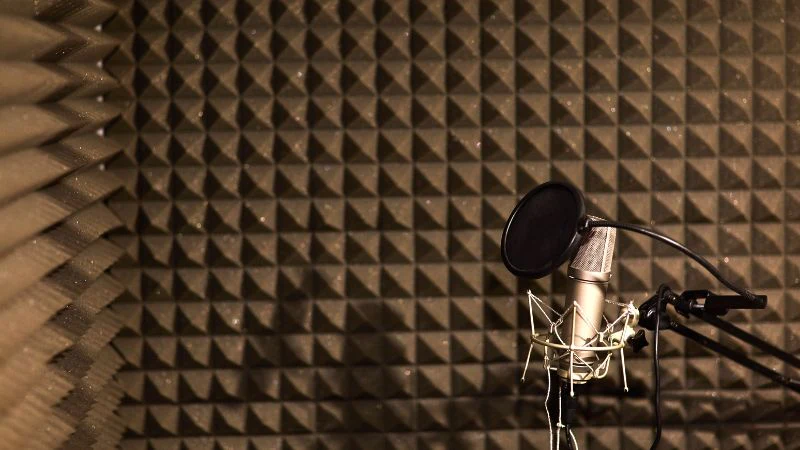
Sound absorbing panels do a lot of heavy lifting in a room. They keep echoes under control, make conversations clearer, and help create a space that feels calm instead of chaotic. But like anything else at home or in the office, they don’t last forever. Over time, the materials inside them can wear out, lose their effectiveness, or simply stop looking as good as they used to.
If you’ve had your sound panels for years and you’re wondering whether they’re still doing their job, here’s a simple guide to knowing when it’s time to replace them, why it matters, and how new panels can make a noticeable difference.
1. When the Room Starts Feeling Noisy Again
The most obvious sign your panels are no longer absorbing sound effectively is when the room slowly becomes louder. You may hear more echoes, conversations may sound sharper than before, or background noise might feel more distracting.
Panels naturally lose efficiency over time, especially if they’re made of foam or low-density materials. The fibres inside the panel can flatten, harden, or break down, which means they absorb less sound.
If you’re noticing a change in the room’s acoustic quality, that’s your first clue that a replacement might be overdue.
2. Visible Wear and Tear
Sound absorbing panels are often made of fabric, foam, or fibrous materials. These don’t stay perfect forever. You might notice:
- Fading or discolouration
- Frayed fabric edges
- Sagging or flattened areas
- Small holes or dents
Damaged panels don’t just look old. They can also lose their acoustic performance. For example, a dented panel reduces surface area, which means less sound can be absorbed. Once you see visible deterioration, it’s usually more practical to replace rather than repair.
3. Panels Have Absorbed Moisture
Humidity and moisture are the enemies of acoustic materials. Foam and fabric panels can absorb water from leaks, condensation, or even high humidity levels.
Signs of moisture damage include:
- Warping
- Dark stains
- A musty smell
- Soft or spongy texture
Moisture-damaged panels not only lose their sound absorption but can also develop mould, which affects indoor air quality. At that point, replacement becomes a health priority, not just an acoustic one.
4. Your Space Has Changed
Maybe you’ve rearranged the room, added new furniture, knocked down a wall, or converted a bedroom into a home office. Room layouts directly influence acoustics. Panels that were placed perfectly two years ago might not be in the right spots anymore.
If the function of the room has changed — for example, turning a living room into a podcasting area — your old panels might not be the right type or density for your new needs.
This is the perfect time to reassess, upgrade, and install panels that match the way you now use the space.
5. You’re Still Using Old Foam Panels
Foam panels were once popular because they were cheap and easy to buy online. The problem is that foam degrades quickly and isn’t as effective as modern sound-absorbing materials.
Old foam panels tend to:
- Crumble after a few years
- Become discoloured
- Lose their shape
- Absorb less sound as they age
If your panels feel brittle or look patchy, upgrading to newer acoustic panels made of PET fibre, fabric-wrapped cores, or high-density materials will give you far better performance.
6. You Want to Improve the Room’s Look
Acoustic panels have come a long way in terms of design. You can now get them in sleek finishes, textured fabrics, 3D shapes, and stylish colours that double as décor.
If your current panels look outdated, mismatched, or simply make the room feel less polished, replacing them can completely refresh the space.
Sometimes it’s not just about acoustics. It’s also about creating a room that feels pleasant and intentional.
7. The Room Has New Noise Problems
Maybe your neighbour started renovating, you installed a louder air conditioner, or your office team grew and now there’s more chatter around you. Noise levels change over time, and the panels that worked before might not be strong enough for the new environment.
A fresh set of high-performance panels can help you adapt to this new level of noise without having to overhaul the entire room.
Why Replacing Old Panels Matters
It’s tempting to hold on to old panels, especially if they seem “good enough.” But worn-out panels can create bigger issues than you think.
1. Better Acoustic Performance
Fresh panels absorb sound more effectively, making your environment instantly more comfortable. Conversations become clearer, echoes disappear, and the space feels calmer.
2. Improved Air Quality
Old foam or fabric that has collected dust, moisture, or mould can affect the air you breathe. Newer materials are designed to be safer, more durable, and resistant to humidity.
3. A More Professional Look
Whether it’s a home office, studio, meeting room, or living room, updated panels can make the space look well-designed and modern.
4. Higher Productivity and Comfort
Noise affects focus more than people realise. Replacing worn-out panels leads to better concentration, smoother conversations, and less stress.
5. Long-Term Savings
Newer panels are more durable. Replacing once with quality products can save you from constant repairs or frequent replacements later.
Final Thoughts
Sound absorbing panels aren’t something you replace every year, but they do need attention from time to time. If your room is getting louder, your panels look worn out, or the space has changed, upgrading them can make a big difference.
A fresh set of panels improves not just acoustics but also comfort, aesthetics, and the overall feel of your environment. It’s one of the simplest upgrades with the most noticeable impact.












Comments